
Author: Dr Gurinder Kaur, MDS (Conservative & Endodontics)
Experience: 20+ Years of Clinical Dentistry
Clinic: Dr. Kaur’s True Pearls Dental Care
Your mouth is far more than just the portal for food and speech—it also serves as a vital window into your overall health. From the way you brush your teeth in the morning to the snacks you consume throughout the day, your oral hygiene habits can significantly influence not only your dental health but also your general well-being.
Many dental problems such as cavities, gum disease, and bad breath can be prevented simply by maintaining proper daily oral hygiene habits.The encouraging news is that most dental problems are preventable when the right daily habits are followed consistently.
Research from respected institutions such as the Mayo Clinic and the Centers for Disease Control and Prevention indicates that poor oral health may be linked to systemic conditions including heart disease, diabetes, and respiratory infections.
Maintaining good oral hygiene requires a combination of proper daily habits, smart lifestyle choices, and regular dental visits. This guide explains evidence-based oral hygiene practices recommended by organizations such as the American Dental Association and the National Institute of Dental and Craniofacial Research to help protect your teeth, gums, and overall health.
Table of Contents
What Is Oral Hygiene?
Quick Answer
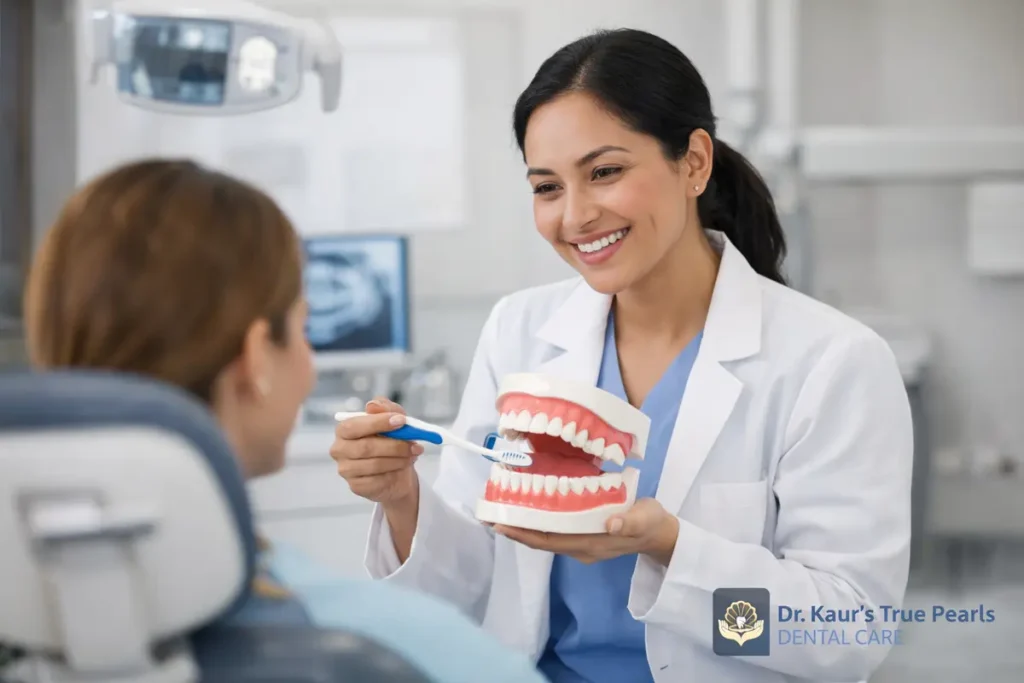
Oral hygiene refers to the daily practices that keep your teeth, gums, and mouth clean and healthy. These habits include brushing twice daily with fluoride toothpaste, flossing between teeth, cleaning the tongue, limiting sugary foods, and visiting a dentist regularly to prevent cavities, gum disease, and bad breath.
According to the American Dental Association, maintaining proper oral hygiene is essential for protecting both dental health and overall health.
7 Essential Oral Hygiene Tips Recommended by Dentists
- Brush your teeth twice daily using fluoride toothpaste.
- Floss once every day to clean between teeth.
- Use a soft-bristled toothbrush and replace it every three to four months.
- Clean your tongue to remove bacteria that cause bad breath.
- Limit sugary foods and drinks that contribute to tooth decay.
- Drink fluoridated water to strengthen enamel.
- Visit your dentist every six months for professional cleaning and examination.
What Are the 5 Proper Steps for Oral Care?
Dentists generally recommend five essential steps for maintaining good oral hygiene:
- Brush your teeth twice daily using fluoride toothpaste.
- Floss once a day to remove plaque between teeth.
- Clean your tongue to eliminate bacteria that cause bad breath.
- Limit sugary foods and drinks that promote tooth decay.
- Visit your dentist regularly for professional cleaning and examination.
The Foundations of Daily Care: Brushing and Flossing
The cornerstone of oral hygiene is the removal of dental plaque, a sticky film of bacteria that constantly forms on teeth.
The National Institute of Dental and Craniofacial Research explains that plaque bacteria produce acids that can damage enamel and cause gum inflammation. If not removed regularly, plaque may lead to cavities and periodontal disease.
Two key habits form the foundation of oral hygiene:
• Proper brushing
• Daily flossing
Mastering the Art of Brushing
Many people brush their teeth daily but may not use the correct technique.
Brush Twice Daily
Dental professionals recommend brushing at least twice a day for about two minutes.
What Is the 3-3-3 Rule for Brushing Teeth?
Some oral health professionals refer to the 3-3-3 rule, which suggests brushing three times a day for three minutes each time and visiting the dentist every three months. However, most dentists recommend brushing at least twice daily for two minutes and scheduling dental check-ups every six months.
Use the 45-Degree Technique
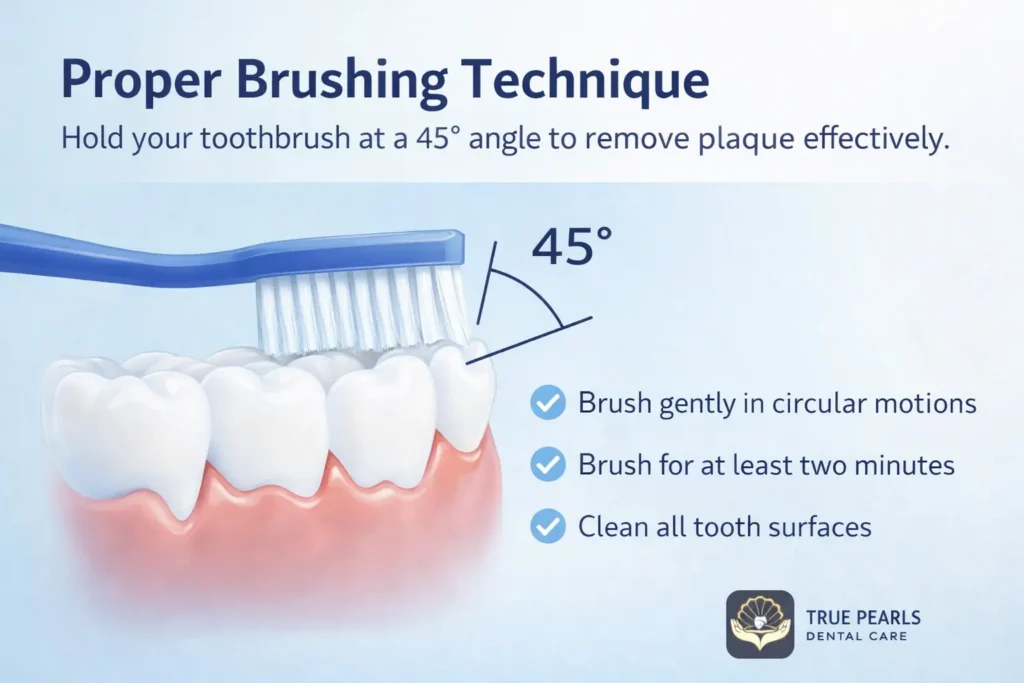
The American Dental Association recommends holding the toothbrush at a 45-degree angle toward the gum line to remove plaque effectively.
Use Gentle Circular Motions
Avoid aggressive scrubbing, which can damage enamel and irritate the gums.
Choose a Soft-Bristled Toothbrush
Soft bristles clean effectively while minimizing the risk of gum recession and enamel wear.
Use Fluoride Toothpaste
Fluoride strengthens enamel and helps protect teeth from decay.
Dentist Tip: After brushing your teeth, spit out the excess toothpaste but avoid rinsing your mouth immediately with water. Allowing fluoride to remain on the teeth for a few minutes helps strengthen enamel and improves protection against cavities.
The Essential Step: Flossing
Brushing alone cannot reach the tight spaces between teeth where plaque often accumulates.Dental experts estimate that a toothbrush cleans only about 60% of tooth surfaces, while flossing helps clean the remaining areas between teeth where cavities and gum disease often begin.
Daily flossing removes trapped food particles and bacteria, helping prevent cavities and gum disease.
Proper Flossing Technique
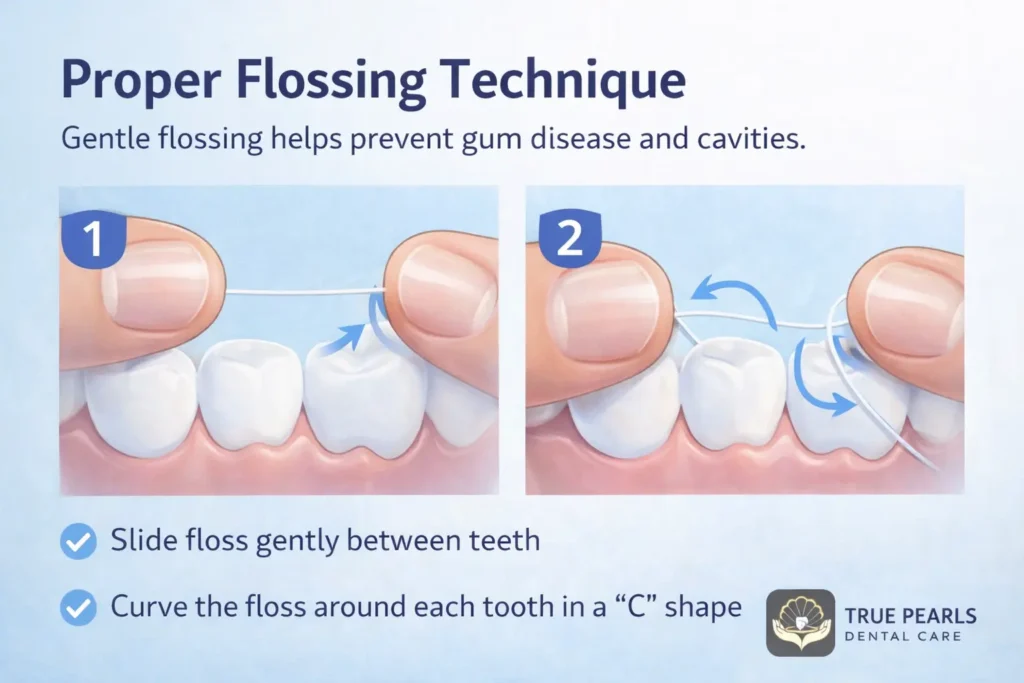
• Use about 18–24 inches of floss
• Wrap floss around each tooth in a C-shape
• Gently slide under the gum line
Alternatives include interdental brushes, floss holders, or water flossers.
Learn more about common oral hygiene mistakes people make daily.
Tongue Care and Mouthwash
Cleaning the Tongue
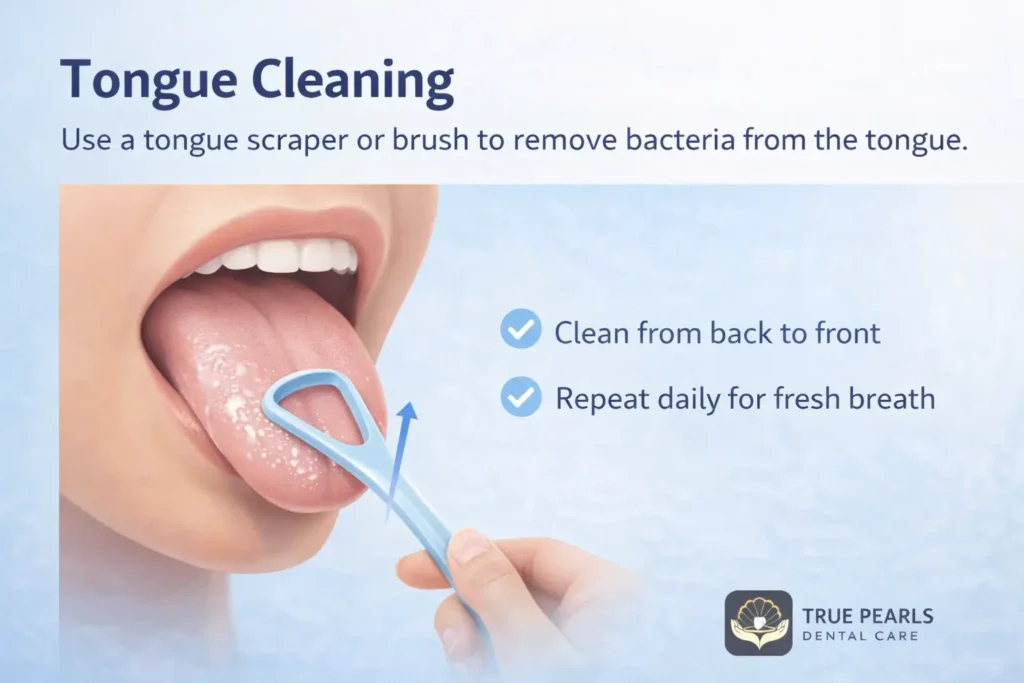
The tongue can harbor bacteria that contribute to bad breath and plaque buildup. Cleaning it daily with a tongue scraper or toothbrush helps maintain oral freshness.
Using Mouthwash
Antimicrobial mouthwash can reduce bacteria and help rinse away debris.
Individuals with dry mouth should choose alcohol-free mouthwash to avoid irritation.
Unexpected Habits for a Healthier Smile
Wait Before Brushing After Acidic Foods
After consuming acidic foods or beverages such as citrus fruits or soda, enamel temporarily softens. Dentists recommend waiting 30–60 minutes before brushing.
Sugar-Free Gum After Meals
Chewing sugar-free gum stimulates saliva production, which helps neutralize acids and protect enamel.
Correct Order of an Oral Hygiene Routine
Following the correct order of oral care can improve the effectiveness of your daily routine.
- Floss between teeth to remove plaque and food particles.
- Brush your teeth for two minutes using fluoride toothpaste.
- Clean your tongue with a tongue scraper or toothbrush.
- Use mouthwash if recommended by your dentist.
Performing these steps in the proper sequence helps ensure thorough cleaning of the teeth and gums.
Daily Oral Hygiene Routine Recommended by Dentists
Following a simple daily routine can significantly improve oral health and reduce the risk of cavities and gum disease.
Morning Routine
• Brush teeth for two minutes using fluoride toothpaste
• Clean the tongue with a tongue scraper or toothbrush
• Rinse your mouth with water after breakfast
• Drink water regularly throughout the day
Night Routine
• Floss to remove plaque between teeth
• Brush teeth thoroughly for two minutes
• Avoid eating after brushing
• Use mouthwash if recommended by your dentist
Nutrition: Eating for Your Teeth
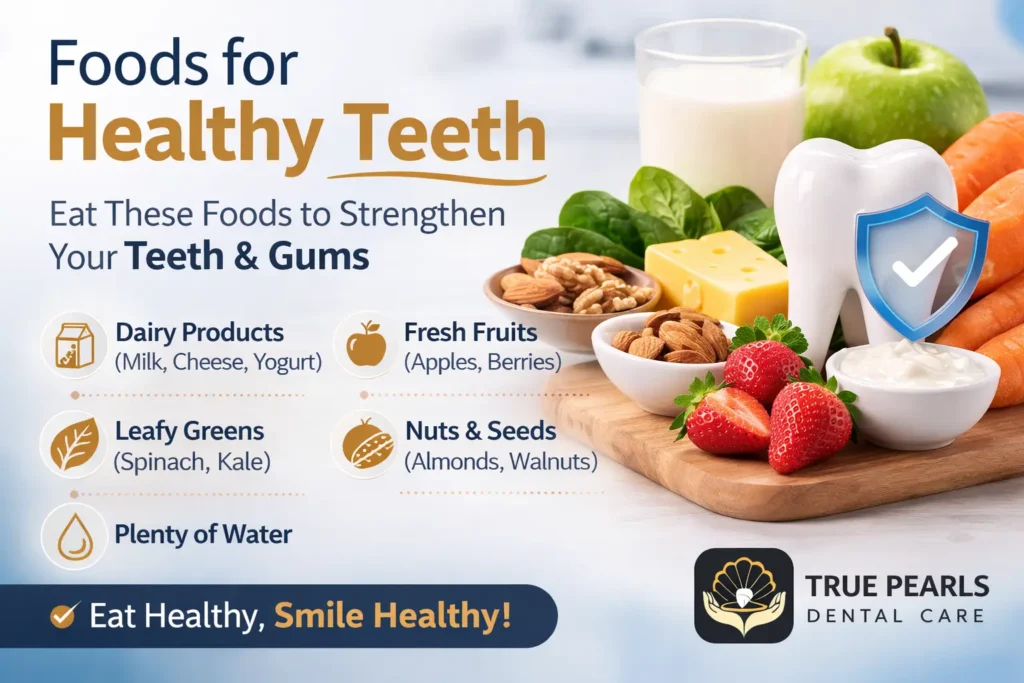
Your diet has a direct impact on oral health.
Limit Sugar Intake
Oral bacteria convert sugars into acids that erode tooth enamel and cause cavities.
Drink Fluoridated Water
Fluoridated water strengthens enamel and reduces tooth decay.
Eat Crunchy Fruits and Vegetables
Foods such as apples, carrots, pears, and celery stimulate saliva and help clean teeth naturally.
Maintain Essential Nutrients
Adequate intake of calcium, vitamin D, and B vitamins supports strong teeth and healthy gums.
Quick Recap
Foods that help protect teeth
• Dairy products rich in calcium
• Crunchy fruits and vegetables such as apples and carrots
• Nuts and seeds that contain minerals beneficial for enamel
• Fluoridated drinking water
Foods that should be limited
• Sugary snacks and desserts
• Sticky candies that cling to teeth
• Sugary beverages and sodas
• Frequent snacking between meals
Certain foods can naturally protect your teeth. Read about foods that promote oral health.
Why Professional Dental Care Is Important
Even excellent home care cannot replace professional dental check-ups.
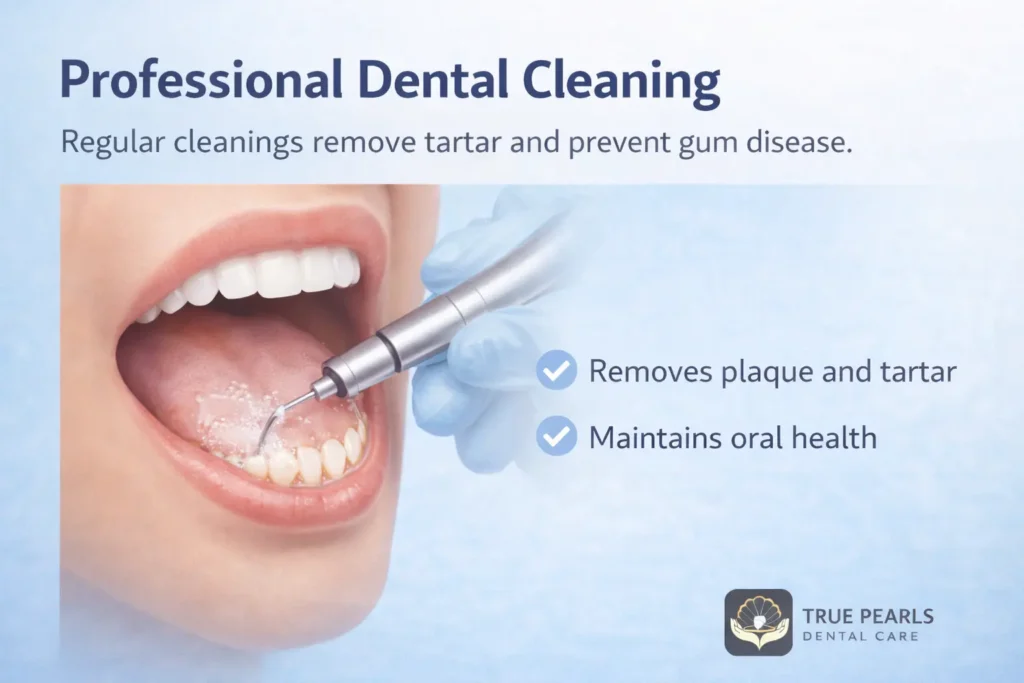
Removal of Tartar
When plaque hardens into tartar (calculus), it must be removed by dental professionals.
Early Detection of Dental Problems
Regular examinations allow dentists to detect cavities, gum disease, and oral cancer early.
Preventive Care Saves Money
Preventive dental care is usually far less expensive than treatments such as crowns or implants.
Oral Health and Your Overall Well-Being
Scientific research has increasingly highlighted the connection between oral health and systemic diseases.
Experts at the Mayo Clinic note that chronic gum inflammation may contribute to conditions such as:
• Cardiovascular disease
• Diabetes complications
• Pregnancy complications
• Respiratory infections
Maintaining good oral hygiene can therefore benefit both dental and general health.
Signs of Poor Oral Hygiene
Poor oral hygiene can lead to several noticeable symptoms. Common signs include:
• Bleeding gums while brushing or flossing
• Persistent bad breath
• Plaque or tartar buildup on teeth
• Red, swollen, or tender gums
• Tooth sensitivity
• Gum recession
If you notice these symptoms, it is important to consult a dentist for evaluation and preventive care.
Protecting Your Smile from External Factors
Avoid Tobacco
The Centers for Disease Control and Prevention reports that tobacco use significantly increases the risk of gum disease and oral cancer.
Wear Mouthguards During Sports
Custom mouthguards protect teeth during sports and high-impact activities.
Avoid Damaging Habits
Using teeth to open bottles or biting nails can cause fractures or enamel wear.
Specialized Oral Care for Different Life Stages
Pregnancy
Hormonal changes during pregnancy may increase the risk of gum inflammation. Maintaining excellent oral hygiene and regular dental visits is important.
Older Adults
Certain medications can cause dry mouth, which increases cavity risk. Staying hydrated and maintaining denture hygiene are essential.
Frequently Asked Questions About Oral Hygiene
How many times should you brush your teeth each day?
Dentists recommend brushing twice daily with fluoride toothpaste for about two minutes each time.
Is flossing really necessary?
Yes. Flossing removes plaque and food particles from areas that toothbrush bristles cannot reach.
How often should you visit the dentist?
Most people should visit a dentist every six months for examination and professional cleaning.
Can poor oral hygiene affect overall health?
Yes. Research cited by the Mayo Clinic shows that poor oral health may contribute to conditions such as heart disease and diabetes complications.
What are the early signs of gum disease?
Common early symptoms include bleeding gums, swelling, bad breath, and gum recession.
Is an electric toothbrush better than a manual toothbrush?
Electric toothbrushes can remove plaque more efficiently and may help people maintain proper brushing technique. However, both electric and manual toothbrushes can be effective when used correctly with gentle brushing motions and fluoride toothpaste.
What are 10 things to keep your teeth healthy?
Maintaining healthy teeth involves several important habits, including brushing twice daily, flossing every day, cleaning the tongue, limiting sugary foods, drinking fluoridated water, eating a balanced diet, replacing toothbrushes regularly, avoiding tobacco, wearing mouthguards during sports, and visiting the dentist for routine check-ups.
Simple Teeth Care Tips at Home
Maintaining healthy teeth does not always require complex treatments. Simple daily habits can make a significant difference.
• Brush teeth twice daily using fluoride toothpaste
• Floss once every day • Drink water after meals
• Limit sugary snacks and acidic drinks
• Replace your toothbrush every three months
• Visit a dentist regularly for preventive care
Key Takeaways for Healthy Oral Hygiene
• Brush twice daily with fluoride toothpaste
• Floss once daily
• Clean your tongue
• Limit sugary foods
• Visit your dentist every 6 months
At Dr Kaur’s True Pearls Dental Care, we regularly educate patients about simple oral hygiene habits that can prevent most dental problems.
Conclusion
Maintaining proper oral hygiene is one of the most important steps you can take to protect your teeth, gums, and overall health. Simple daily habits such as brushing twice a day, flossing regularly, eating a balanced diet, and attending routine dental check-ups can prevent many common dental problems before they become serious.
Remember that professional dental examinations play a crucial role in detecting issues early and maintaining long-term oral health.
If it has been more than six months since your last dental visit, or if you are experiencing symptoms such as bleeding gums, persistent bad breath, tooth sensitivity, or tooth pain, it may be time to consult a dentist.
For individuals seeking professional dental care in Ranchi, regular dental examinations and professional cleanings are essential for maintaining long-term oral health. Early detection of dental problems allows treatment before they become more complex or painful.
At Dr. Kaur’s True Pearls Dental Care, we are committed to helping patients achieve healthy, confident smiles through preventive care and advanced dental treatments.
📞 Schedule your dental consultation today and take the next step toward better oral health.