
Introduction
Bad breath, also known as halitosis, can be an unwelcome companion in both personal and professional interactions. Thankfully, fresh breath is within reach with the right dental products and habits. In this blog post, we will explore the best toothpaste for bad breath and the best mouthwash for bad breath. We’ll focus on key ingredients that tackle bad breath effectively, helping you make informed choices for a happier, fresher smile.
What Causes Bad Breath?
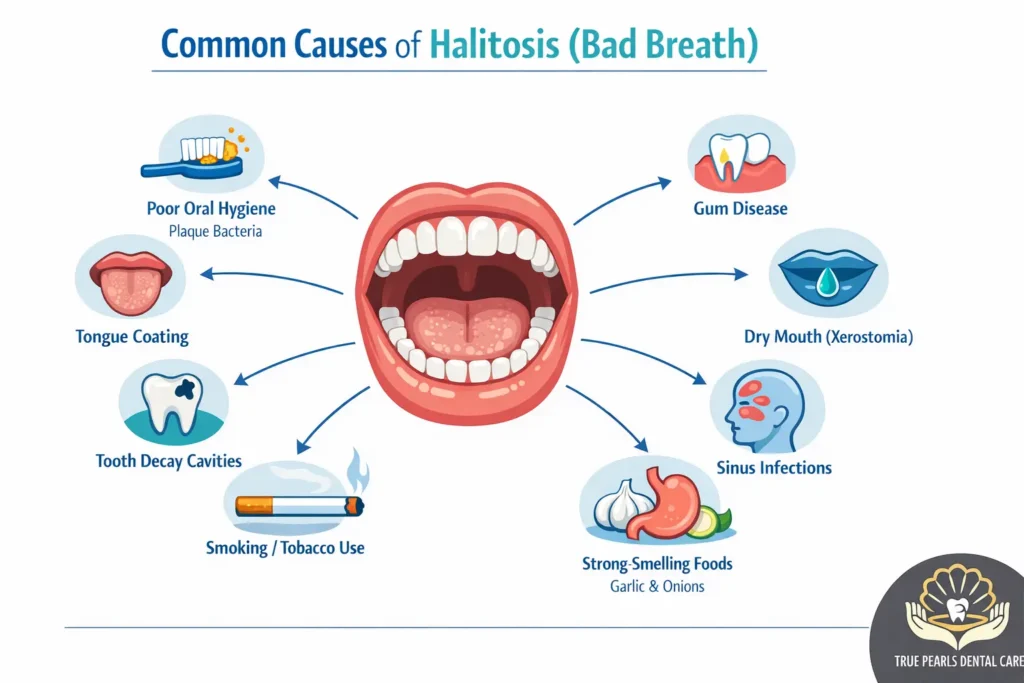
Bad breath (halitosis) is mainly caused by bacteria in the mouth that break down food particles and release sulfur compounds that produce unpleasant odours. According to the American Dental Association, bad breath is usually caused by bacteria in the mouth and poor oral hygiene. The most common causes include:
• Poor oral hygiene
• Tongue bacteria buildup
• Gum disease
• Tooth decay
• Dry mouth
• Smoking or tobacco use
• Strong foods like garlic and onions
Using the best toothpaste for bad breath and the best mouthwash for bad breath, along with proper oral hygiene habits, can significantly reduce odour-causing bacteria.
If you want to understand the common causes of bad breath, read our detailed guide explaining why halitosis occurs.
Table of Contents
- Understanding Bad Breath
- Best Toothpaste Ingredients for Bad Breath
- Best Mouthwash for Bad Breath
- Toothpaste vs Mouthwash for Bad Breath
- How to Choose the Right Products
- Quick Tips to Prevent Bad Breath
- Additional Tips for Fresh Breath
- Importance of Regular Dental Check-Ups
- Frequently Asked Questions
Understanding Bad Breath
Bad breath is often a result of various factors. Medically known as halitosis, is a condition caused by odour-producing bacteria in the mouth. These bacteria break down food particles and release sulfur compounds that create unpleasant odours. Learn more about halitosis causes and symptoms:
- Bacterial Growth: The mouth is home to numerous bacteria. Some bacteria break down food particles, releasing unpleasant-smelling compounds that contribute to bad breath.
- Dry Mouth: Saliva plays a crucial role in cleansing the mouth. A dry mouth (often caused by medication, certain medical conditions, or dehydration) can result in bad breath.
- Diet: Foods such as garlic, onions, and certain spices can linger in the mouth, causing odors that last long after eating.
- Poor Oral Hygiene: Insufficient brushing and flossing can lead to plaque buildup and gum disease, both common causes of bad breath.
Following a proper daily oral hygiene routine helps control plaque buildup and reduces odor-causing bacteria.
Best Toothpaste Ingredients for Bad Breath: What Dentists Recommend
Choosing the best toothpaste for bad breath is essential for maintaining a healthy mouth. Here are some important ingredients to look for:
1. Fluoride
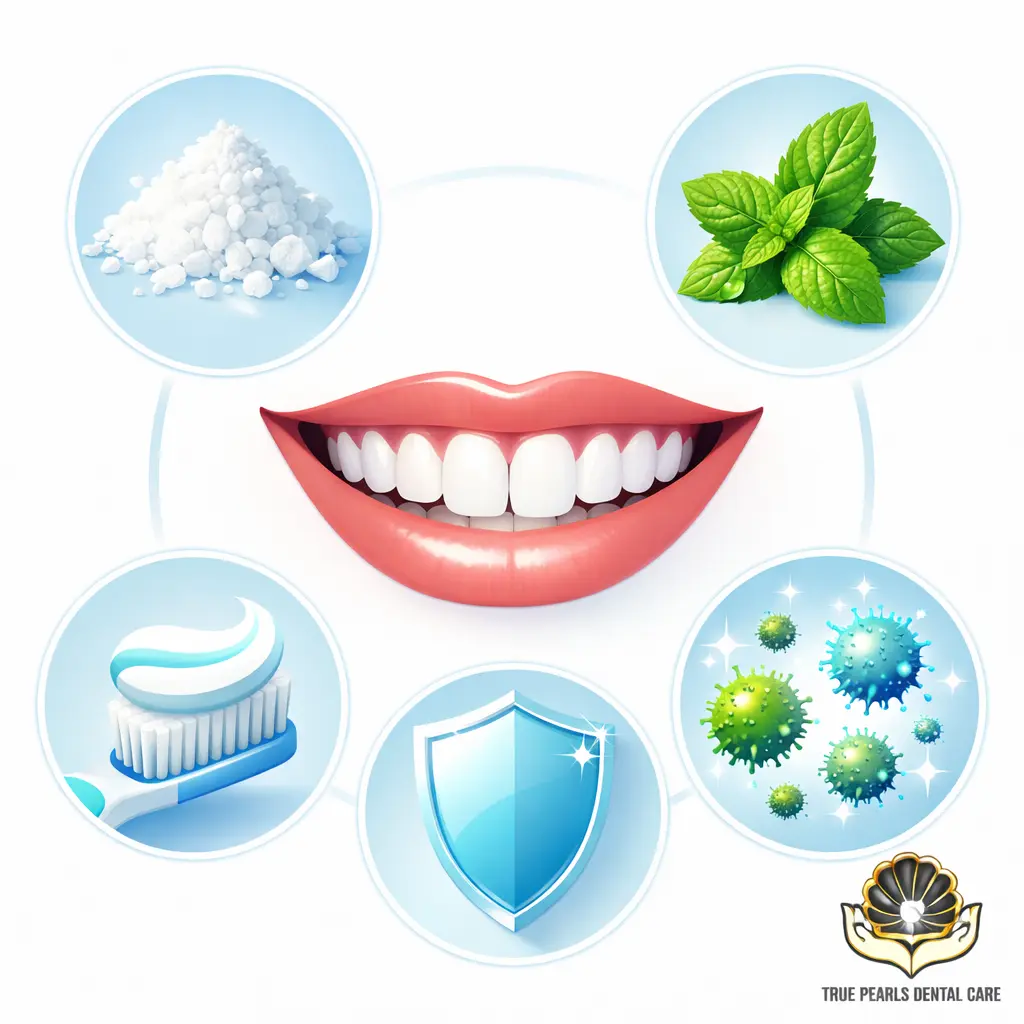
Fluoride is crucial for strengthening tooth enamel and preventing cavities. The benefits of fluoride for teeth are well documented in dental research. A healthy mouth is less likely to harbor bacteria responsible for bad breath. When selecting the best toothpaste for bad breath, ensure it contains fluoride to promote overall oral health.
2. Baking Soda (Sodium Bicarbonate)
Baking soda is a natural, mild abrasive that helps remove plaque and food particles during brushing. Additionally, it neutralizes acidity in the mouth, creating a less favorable environment for odor-producing bacteria. By including baking soda in your dental routine, you can enhance your breath-freshening efforts.
3. Essential Oils
Toothpastes that include essential oils like peppermint and tea tree oil not only provide a refreshing taste but also contain antimicrobial properties. These oils can help reduce bacterial growth in the mouth and contribute to a fresher breath. Look for the best toothpaste for bad breath with essential oils for a natural approach to oral hygiene.
4. Zinc Compounds
Zinc compounds are effective in reducing volatile sulfur compounds (VSCs), which are the primary contributors to bad breath. Toothpastes containing zinc can significantly lower bad odors while promoting a healthier mouth. If you struggle with persistent bad breath, selecting toothpaste with zinc can be beneficial.
5. Natural Sweeteners
Sweeteners like xylitol can assist in freshening breath. Xylitol not only provides sweetness without contributing to cavities but also encourages saliva production. Increased saliva helps wash away food particles and bacteria, further combating bad breath. Opt for toothpaste that incorporates this ingredient for added benefits.
Quick Comparison: Toothpaste Ingredients That Fight Bad Breath
When choosing the best toothpaste for bad breath, understanding how different ingredients work can help you make better decisions. Many modern toothpastes combine multiple ingredients to target odor-causing bacteria while also protecting teeth and gums. Different ingredients in toothpaste fight bad breath in different ways.
| Ingredient | Benefit for Fresh Breath |
|---|---|
| Fluoride | Strengthens enamel and reduces bacteria buildup |
| Baking Soda | Neutralizes acids and helps remove plaque |
| Zinc Compounds | Reduces sulfur compounds responsible for bad breath |
| Essential Oils | Provide antimicrobial action and refreshing flavor |
| Xylitol | Promotes saliva production and reduces harmful bacteria |
Selecting toothpaste that contains several of these ingredients can significantly improve breath freshness and overall oral health.
The Best Mouthwash for Bad Breath: Essential Ingredients
Mouthwash is an excellent adjunct to your oral hygiene regimen and can be instrumental in finding the best mouthwash for bad breath. Many dentists recommend combining the best mouthwash for bad breath with a fluoride toothpaste to control odour-causing bacteria and maintain overall oral health. Look for these key components:-
1. Antimicrobial Agents
Mouthwashes containing antimicrobial agents can effectively kill bacteria responsible for bad breath. Ingredients such as cetylpyridinium chloride (CPC) or chlorhexidine mouthwash antibacterial properties that help reduce bacteria responsible for bad breath.
2. Alcohol versus Alcohol-Free Formulas
Alcohol-based mouthwashes often provide a strong refreshing effect but can lead to a dry mouth over time. On the other hand, alcohol-free options tend to be gentler and help maintain moisture in the mouth, thereby reducing the likelihood of bad breath. For those seeking long-term solutions, an alcohol-free mouthwash may be the best choice.
3. pH Balancers
Mouthwashes that help balance the pH level in the mouth can effectively reduce acidity. A neutral or slightly alkaline environment is less conducive to bacterial growth, which helps promote fresher breath. When searching for the best mouthwash for bad breath, look for pH-balancing ingredients.
4. Natural Herbal Extracts
Many mouthwashes incorporate natural extracts such as aloe vera or myrrh. These ingredients not only provide refreshing qualities but also possess soothing properties that can benefit oral tissues. Choosing a mouthwash with herbal extracts can enhance your overall oral health while combating bad breath.
Toothpaste vs Mouthwash for Bad Breath: Which One Works Better?
Both toothpaste and mouthwash play an important role in controlling bad breath, but they work in slightly different ways.
Toothpaste helps remove plaque, food particles, and odor-causing bacteria during brushing. It also strengthens enamel and improves overall oral hygiene.
Mouthwash, on the other hand, works as a complementary solution. It helps reach areas that brushing may miss and can reduce bacteria responsible for bad breath.
| Product | Primary Benefit |
|---|---|
| Toothpaste | Removes plaque and bacteria while brushing |
| Mouthwash | Freshens breath and reduces bacteria in hard-to-reach areas |
For the best results, dentists recommend using both toothpaste and mouthwash as part of a complete oral hygiene routine.
Dentist Tip for Long-Lasting Fresh Breath
Using the best toothpaste for bad breath together with an antibacterial mouthwash can significantly improve breath freshness. Dentists also recommend cleaning the tongue daily, flossing regularly, and staying well hydrated. These habits help eliminate odor-causing bacteria and maintain fresher breath throughout the day.
How to Choose the Right Products for Fresh Breath

When selecting the best toothpaste and mouthwash for bad breath, consider the following tips:
- Read Labels: Look for products containing effective ingredients such as fluoride, baking soda, and zinc compounds. These are essential for maintaining fresh breath.
- Check for Certifications: Products with endorsement or approval from dental associations can offer additional reassurance regarding their effectiveness and safety.
- Consider Flavor Preferences: Choose flavors you enjoy, whether it’s mint, citrus, or another refreshing option. Enjoyment of the product can lead to more consistent use, which is vital for combatting bad breath effectively.
- Avoid Harsh Chemicals: Opt for products free from harsh chemicals and artificial flavors, as these may cause adverse effects or dryness in the mouth.
Quick Daily Habits to Prevent Bad Breath
- Brush your teeth twice daily with fluoride toothpaste.
- Clean your tongue to remove odor-causing bacteria.
- Floss daily to remove food particles between teeth.
- Stay hydrated to prevent dry mouth.
- Visit your dentist regularly for professional cleaning.
Additional Tips for Fresh Breath
In addition to using the right toothpaste and mouthwash, consider these complementary practices to enhance your fresh breath efforts:
- Maintaining good oral hygiene is essential for preventing bad breath. Brushing twice daily and flossing removes plaque and food particles that contribute to bad breath. For a complete routine, read our detailed guide on maintaining proper oral hygiene.
- Stay Hydrated: Drinking plenty of water helps maintain saliva production and prevents dry mouth. Saliva naturally cleanses the mouth, further reducing bad breath.
- Chew Sugar-Free Gum: Chewing gum can stimulate saliva production and help wash away food particles and bacteria. This simple habit can be effective in keeping your breath fresh throughout the day.
- Healthy Dietary Choices: Incorporating fresh fruits and vegetables into your diet can support oral health and promote saliva production. Try to limit sugary and processed foods, which can contribute to bad breath.
- Regular Dental Visits: Having routine check-ups and cleanings is essential for maintaining oral health. Your dentist can identify and address any underlying issues contributing to bad breath, ensuring your mouth stays healthy.
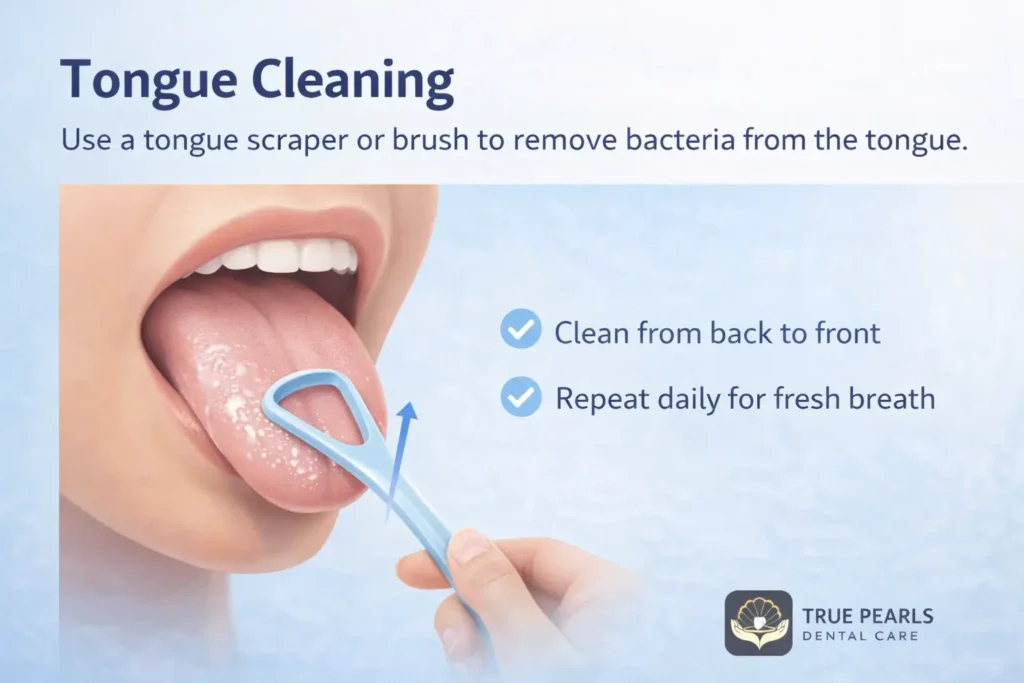
Clean Your Tongue to Reduce Bad Breath
Many people focus only on brushing their teeth when trying to eliminate bad breath, but the tongue is one of the most common sources of odor. The surface of the tongue can harbor bacteria that produce volatile sulfur compounds, which are responsible for unpleasant breath.
Using a tongue scraper or gently brushing your tongue every day can significantly reduce these odor-causing bacteria. Incorporating tongue cleaning into your daily oral hygiene routine, along with using the best toothpaste and mouthwash for bad breath, can greatly improve breath freshness.
The Importance of Regular Dental Check-Ups
Visiting your dentist regularly plays a crucial role in maintaining fresh breath and overall oral health. Dental professionals, such as those at Dr. Kaur’s True Pearls Dental Care in Ranchi, offer valuable insights into your oral hygiene routine. They can provide tailored advice, identify potential issues early on, and perform professional cleanings that effectively remove plaque and tartar buildup.
Regular dental check-ups not only help keep bad breath at bay but also promote early detection of dental problems, preventing costly treatments in the future. Don’t underestimate the importance of professional dental care in your journey toward achieving and maintaining fresh breath.Persistent bad breath can sometimes be a sign of gum disease, tooth decay, or oral infections. A professional dental examination can help identify and treat these underlying causes effectively.

People Also Ask: Common Questions About Bad Breath
Why do I still have bad breath even after brushing?
Bad breath may persist even after brushing if bacteria remain on the tongue, between teeth, or along the gum line. Cleaning the tongue, flossing daily, staying hydrated, and using antibacterial mouthwash can help reduce odor-causing bacteria.
What causes bad breath the most?
The most common cause of bad breath is bacteria in the mouth that break down food particles and release sulfur compounds. Poor oral hygiene, dry mouth, certain foods, and gum disease can all contribute to this condition.
How can I quickly get rid of bad breath?
Brushing your teeth, cleaning your tongue, drinking water, chewing sugar-free gum, and using an antibacterial mouthwash can help improve breath freshness quickly.
Can bad breath indicate a dental problem?
Yes. Persistent bad breath can sometimes be a sign of gum disease, tooth decay, or oral infections. Visiting a dentist regularly helps identify and treat these underlying issues.
What is the best toothpaste for bad breath in India?
The best toothpaste for bad breath in India is one that contains antibacterial ingredients such as zinc compounds, baking soda, or fluoride. These ingredients help neutralise odour-causing bacteria in the mouth. Toothpastes that target plaque control and gum health are especially effective for keeping breath fresh throughout the day.
Which antibacterial toothpaste is best for bad breath?
Antibacterial toothpastes that contain ingredients like triclosan alternatives, zinc citrate, stannous fluoride, or essential oils are effective for controlling bad breath. These ingredients help reduce bacterial growth in the mouth, which is the main cause of unpleasant breath odor.
Which toothpaste is best for bad breath and gum health?
Toothpastes designed for gum health often contain antibacterial agents and fluoride that help reduce plaque buildup and inflammation. Maintaining healthy gums is important because gum disease can be a major cause of persistent bad breath.
What toothpaste works best for bad breath and sensitive teeth?
For people with sensitive teeth, a toothpaste containing potassium nitrate or stannous fluoride can help reduce sensitivity while still controlling odor-causing bacteria. Using a toothpaste formulated for sensitivity and fresh breath can provide both comfort and long-lasting freshness.
Which toothpaste helps with bad breath and yellow teeth?
Some whitening toothpastes also contain antibacterial ingredients that help control bad breath while removing surface stains. These toothpastes gently polish the teeth and reduce plaque buildup, improving both tooth color and breath freshness.
What toothpaste is best for bad breath in children?
For children, dentists usually recommend a mild fluoride toothpaste that protects against cavities and controls bacterial growth. Encouraging proper brushing habits and tongue cleaning can also help prevent bad breath in kids.
Frequently Asked Questions About Bad Breath
What toothpaste works best for bad breath?
Toothpastes containing fluoride, baking soda, zinc compounds, and antibacterial ingredients are commonly recommended by dentists to control odor-causing bacteria and maintain fresh breath.
Does toothpaste permanently cure bad breath?
Toothpaste can significantly reduce odor-causing bacteria, but long-term fresh breath also depends on good oral hygiene habits such as flossing, tongue cleaning, hydration, and regular dental check-ups.
Is baking soda toothpaste good for bad breath?
Yes. Baking soda helps neutralize acids in the mouth and can reduce bacterial buildup that contributes to bad breath.
Can mouthwash alone eliminate bad breath?
Mouthwash can temporarily freshen breath and reduce bacteria, but it should be used along with brushing, flossing, and proper oral hygiene practices for the best results.
What is the best mouthwash for bad breath?
The best mouthwash for bad breath usually contains antimicrobial ingredients such as cetylpyridinium chloride (CPC) or chlorhexidine. These ingredients help reduce bacteria responsible for bad breath and support long-lasting freshness when used alongside proper brushing and flossing.
Why does bad breath return even after brushing?
Bad breath may return if bacteria remain on the tongue, between teeth, or along the gum line. Regular flossing, tongue cleaning, and using antibacterial mouthwash can help control these bacteria and maintain fresher breath.
Conclusion
Dealing with bad breath doesn’t have to be a persistent issue. By understanding and utilizing the key ingredients found in the best toothpaste for bad breath and the best mouthwash for bad breath, you can take proactive steps to combat this problem. Regular use of effective products combined with good oral hygiene practices will help you maintain fresh breath and improve your overall oral health. A confident, fresh smile can significantly enhance your interactions and lead to greater happiness in daily life.
About the Author
Dr. Gurinder Kaur, MDS (Conservative Dentistry & Endodontics), has over 20 years of clinical experience in preventive and restorative dentistry. She is the founder of Dr. Kaur’s True Pearls Dental Care in Ranchi and is passionate about educating patients on maintaining optimal oral health and fresh breath.
Call to Action
Fresh Breath Starts With Healthy Oral Care
If you are experiencing persistent bad breath, it may be a sign of an underlying dental issue. At Dr. Kaur’s True Pearls Dental Care in Ranchi, we provide comprehensive dental check-ups and professional cleaning to help maintain fresh breath and optimal oral health.
Book your dental consultation today and take the first step toward a confident smile.